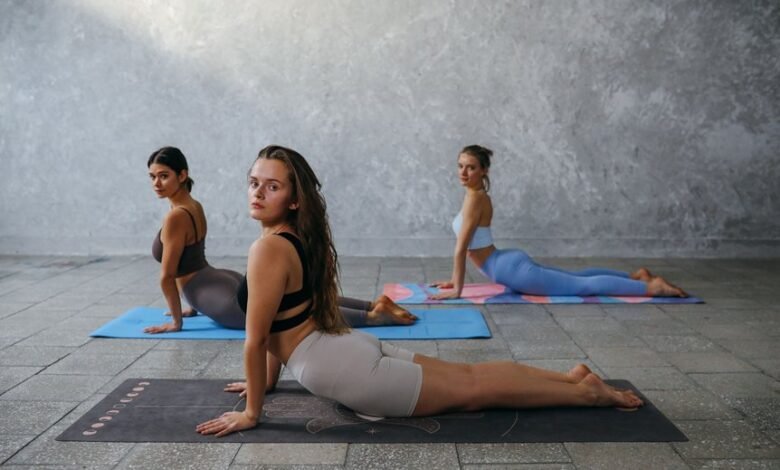
Anttavasana offers a quiet, evidence-aligned way to calm the nervous system amid constant distraction and stress. It signals the body toward parasympathetic balance, supporting clearer interoception and steadier responses. As daily chaos grows, a brief, patient practice can become a reliable anchor that honors individual rhythms and reduces reactivity. Its practical, modular approach invites gradual adoption, yet the benefits may unfold in surprising, meaningful ways—if one chooses to start now.
What Anttavasana Signals to Your Nervous System
Anttavasana signals the nervous system to shift from a state of heightened vigilance toward greater parasympathetic balance, promoting calmer baseline arousal and safer interoceptive sensing.
In this view, the mindful nervous system gathers resilience signals, enabling clearer interpretation of bodily cues and calmer responses.
The approach supports autonomy, safety, and compassionate self-regulation within a freedom-enhancing framework.
Anttavasana as a Focus Anchor for Daily Chaos
From the previous discussion on what Anttavasana signals to the nervous system, it follows that establishing a steady internal anchor can help manage the daily onslaught of tasks, noise, and competing demands.
Anttavasana signals a calm, accessible physiology, enabling a sustainable practice with less reactivity. This focus anchor supports freedom through disciplined stickiness, reducing overwhelm while honoring individualized nervous system needs.
Building a Sustainable Anttavasana Practice That Sticks
The challenge of sustaining Anttavasana lies not in willpower alone but in designing a manageable, individualized routine that fits real life.
A sustainable practice centers on tracing breath, grounding posture, and gentle sequences, encouraging consistent cues over time.
It emphasizes habit formation through small, achievable steps, compassionate feedback, and client-centered adjustments that honor freedom while fostering reliable daily integration.
Practical Variations and Troubleshooting for Every Schedule
For practitioners with diverse schedules, practical variations and troubleshooting focus on adapting Anttavasana to real-life constraints without sacrificing quality. This approach recognizes two word ideas of adaptability and mindfulness, guiding adjustments that preserve alignment and breath.
Subtopic misalignment is addressed by modular cues, progressive holds, and evidence-informed pacing, ensuring sustainable practice.
Competent guidance supports autonomy, reducing frustration while honoring personal rhythm and freedom.
Frequently Asked Questions
How Soon Can You See Measurable Results From Anttavasana?
Measurable results vary, but some practitioners notice initial improvements within several weeks with consistent practice. Two word discussion ideas: measurable expectations, practice frequency, guiding the process with compassion, evidence-based methods, and client-centered support for authentic freedom.
Can Anttavasana Replace Other Forms of Stress Relief?
Anttavasana cannot fully replace other stress relief methods, though it may contribute. Its anttavasana misconceptions should be addressed, and evidence based benefits considered alongside diversified approaches, enabling clients to pursue freedom while integrating compassionate, evidence-based care.
Is Anttavasana Suitable for Beginners With Trauma History?
“Patience is a virtue.” Anttavasana may be suitable for beginners with trauma when guided by a qualified professional; it supports stress relief, but is not a sole solution. It requires careful pacing, individualized assessment, and client-centered safety.
Should Anttavasana Be Practiced During Sleep or Wakefulness?
Anttavasana should be practiced in wakefulness, not during sleep. The approach supports mindful grounding and safety, aligning with sleep practice goals and wakeful practice intentions; informed, compassionate guidance fosters autonomy, reducing reactivity while promoting freedom and resilience.
What Are Common Mistakes Beginners Make With Posture Alignment?
Recent studies show 70% of beginners struggle with posture alignment; common mistakes include misaligned spine, shrugged shoulders, and uneven weight. The practitioner remains compassionate, evidence-based, client-centered, guiding mindful adjustments toward freedom in posture alignment and sustainable practice.
Conclusion
Anttavasana offers a compassionate, evidence-informed path to steadiness amid daily volatility, helping the nervous system downshift toward safety and clarity. By anchoring attention, breath, and body, practitioners cultivate durable self-regulation and clearer decision making—even under pressure. Consistency matters more than intensity; small, regular practice builds resilience. As the adage goes, “little by little, a little becomes a lot.” In this light, Anttavasana becomes a trusted ally for sustainable well-being and compassionate self-management.